Celebrating Himachali Festivals Away from Home—Without Flattening Local Traditions
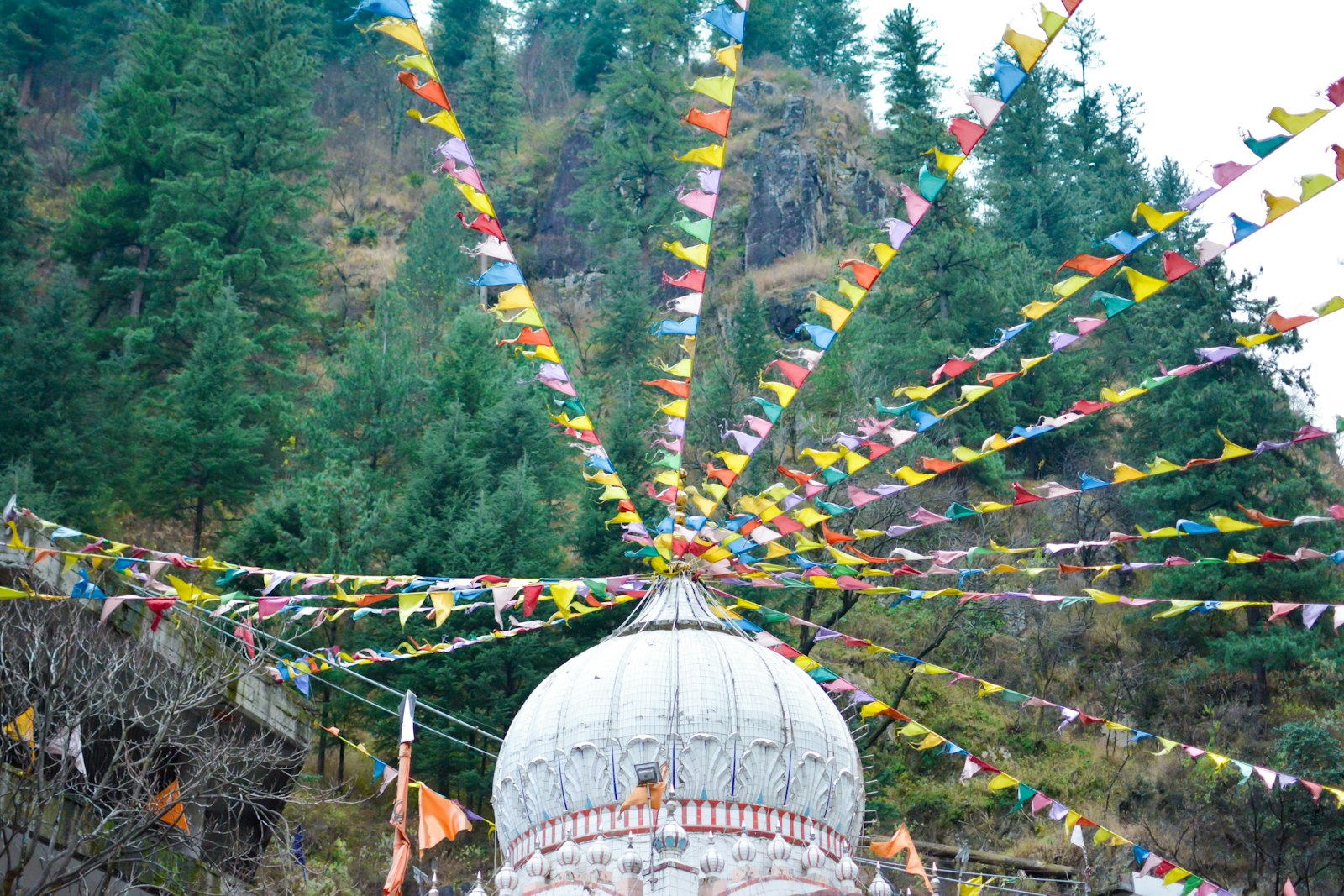
Celebrating Himachali Festivals Away from Home—Without Flattening Local Traditions
A community hall in London, a park in Toronto, or a university room in Bengaluru can become a place of genuine Himachali connection. People meet relatives and neighbours, children hear words that may not circulate at school, and memories acquire new listeners. Yet affection alone does not make every representation responsible. When a local fair, seasonal gathering, or sacred observance is compressed into a generic “Himachali festival”, the celebration can erase the relationships that gave it meaning.
A thoughtful diaspora event does not measure success by how perfectly it reproduces a scene from home. It protects attribution and local specificity. It consults people with different forms of knowledge and responsibility, identifies who has authority over particular elements, and says plainly when circumstances abroad require change.
Key Takeaways
- There is no single festival template for all of Himachal Pradesh; name the district, town, valley, institution, community, or family tradition involved.
- Consult several relevant tradition bearers where possible, acknowledge disagreement, and identify the family, hereditary, temple, monastic, institutional, or rights-holder authority appropriate to each decision.
- UNESCO’s emphasis on community participation in safeguarding does not itself grant permission to stage, record, or reuse a specific practice.
- Separate fairs, festivals, trade gatherings, and religious observances rather than presenting them as interchangeable.
- Label changes to date, venue, language, food, route, and format as diaspora adaptations.
- Give younger generations meaningful research and documentation roles without purity tests.
No Single Festival Template
“Himachali” is a valuable shared identity, but it is not a substitute for place. Kullu Dussehra has a distinct local form grounded in Kullu. Minjar Mela belongs in a Chamba context, where the district administration describes agricultural associations as well as procession and river-offering features. Rampur Lavi is documented as a fair with a commercial and trade character. These occasions are not interchangeable versions of one statewide festival, and their visible features should not be mixed into a new composite ritual.
Even a district label may be too broad. Lahaul and Spiti is one administrative district, but its documented observances are associated with particular localities. That is a reason to avoid captions such as “the tradition of Lahaul-Spiti” when contributors can support only a narrower scope. “A family account from this village in Lahaul” or “an introduction to an observance associated with this place in Spiti” is more precise.
Names matter too. A mela may function as a fair or gathering; Lavi should not be relabelled a religious festival simply to fit an event theme. Dates require similar care. Organisers should verify the relevant year’s timing rather than turning a variable occasion into a fixed annual Gregorian date.
Start With Place, People, and Purpose
Before booking performers or designing décor, write a short cultural brief with three headings.
Place: What is the smallest locality that can be named responsibly—district, town, valley, village, temple, monastery, or family network? A map can show that a contribution comes from somewhere specific rather than from an undifferentiated mountain region.
People and authority: Who knows the practice, who performs it, and who holds responsibility for the proposed use? The answers may include elders, artists, cooks, traders, local committees, families, hereditary role-holders, religious institutions, photographers, or other rights holders. These roles are not interchangeable. Consult more than one knowledgeable participant where possible, describe the scope of each account, and record internal disagreement without forcing consensus. No person should be introduced as speaking for an entire district.
Authority is also specific to the decision. A performer may advise on presentation but not control an archival photograph. A relative may share a family memory but not authorise a temple practice. Relevant family, hereditary, temple, monastic, or institutional authorities may need to be involved for particular elements, alongside people depicted in media, photographers or rights holders, venue managers, and other responsible parties.
Purpose: Is the diaspora event a reunion, educational programme, meal, public fair, fundraiser, or religious observance? A cultural evening should not quietly become a ritual reenactment, and a religious gathering should not be repackaged as spectacle. Clear purpose helps participants assess what belongs.
UNESCO’s 2003 Convention supplies a useful but limited framework. Article 2 defines intangible cultural heritage and safeguarding. Articles 11 and 15 address participation by communities, groups, and relevant individuals in identifying, safeguarding, and managing living heritage. UNESCO also explains that safeguarding should support transmission without freezing a practice in a supposedly pure form.
That participation principle is not an event permission system. It does not determine who may reproduce a sacred element, whether a photograph may be reused, what a venue permits, or what obligations apply in the event’s location. Those are event-specific questions requiring their own consultation, permissions, and checks.
The Himachali Journal’s Planning Principles
The following are The Himachali Journal’s planning principles for careful diaspora programming. They are editorial safeguards, not claims that the six sources establish universal cultural rules, and they are not legal advice.
Use a simple model: share, adapt transparently, or pause and consult.
Share material that contributors consider suitable for the audience: family memories, maps, public histories, vocabulary, oral accounts, and appropriately cleared images, songs, or performances. Food can create connection too, but name its source accurately. A community meal should not imply that one menu represents every Himachali celebration; even dham needs local and occasion-specific context.
Adapt transparently when geography and diaspora life make direct continuation impractical. A weekend may replace a local date; a hall may replace an outdoor route; a welcome may use several languages; a menu may respond to guests and venue requirements. Put a note in the programme: “This is a diaspora adaptation. The date, venue, and presentation differ from practice in the named locality.”
Pause and consult when an element may depend on consecration, restriction, a designated role, or specific custodianship. Before proposing a sacred object, deity procession, monastic rite, restricted dress, or hereditary role, identify multiple relevant tradition bearers and the appropriate family, hereditary, temple, monastic, or institutional authorities. Where accounts conflict or authority remains unclear, explain the element without reenacting it, or omit it.
For an image, distinguish among permission from a depicted person, permission or licence from the photographer or other rights holder, and consultation with relevant cultural custodians where the subject calls for it. Attendance at an event should not be treated as blanket agreement to livestream, translate, archive, or reuse someone’s contribution in promotion. Ask separately about each intended use and make refusal easy.
Organisers should also check venue rules and accessibility, food and crowd-safety requirements, insurance or licensing questions, and any other applicable obligations with appropriate local authorities or qualified advisers. The Journal does not make a legal determination for an event in another jurisdiction.
Build a Place-Labelled Programme
A multi-district event works best as clearly attributed windows rather than one seamless pageant. The programme might include:
- a map-based welcome to Himachal’s linguistic and cultural plurality, linked to an overview of Pahari language diversity;
- a Kullu-labelled conversation about memories of Kullu Dussehra, without claiming to reproduce the occasion;
- a Chamba-labelled segment on Minjar Mela using cleared public material and contributor memories;
- a Rampur-labelled discussion of Lavi as a fair and trade gathering; and
- separate Lahaul and Spiti contributions—or more precise valley, village, or institutional labels—where participants can support them.
Each introduction should answer: Who contributed this account? Which place does it describe? What is the contributor’s relationship to it? Is this explanation, performance, or adaptation? What has been omitted? The point is not to fill every district slot but to represent what the group can support.
Give Every Generation a Real Role
Elders should not be treated only as sources of nostalgic colour, and young people should not be reduced to dancers in borrowed dress. Create teams that pair memory with verification. A teenager might record a grandparent’s place names, check spellings with another speaker, locate them on a map, and prepare a bilingual introduction. Young adults can track permissions, interview traders or cooks, compare family accounts, or document why an element changed.
Make room for people who do not speak a heritage language fluently, were not born in Himachal, have mixed family backgrounds, or are learning practices later in life. Belonging is not a test of pronunciation, costume, or encyclopaedic ritual knowledge. Contributions can be locally grounded while welcoming learners.
Where memories conflict, do not force a single “correct” script. Label them: “Participants from two family networks recalled this differently.” Difference need not be treated as failure.
Keep a Useful Event Record
Keep a short record listing the source locality, contributors and agreed credit, advice received, permissions granted, timing basis, programme changes, safety decisions, and omitted elements. For recordings and images, state whether permission covers the room only, private sharing, a community archive, public online distribution, future promotion, or none of these.
Documentation should distinguish research, consultation, permission, and endorsement. A district administration page can provide public context but cannot answer every event-specific authority or rights question. One family’s view may not cover a whole village, institution, or district. If relevant participants disagree, preserve the disagreement and narrow the programme rather than overstating consensus.
Publish a concise adaptation note with the event. For example: “Presented in Delhi on a weekend selected for community access. This educational programme brings together separately labelled contributions associated with Kullu, Chamba, Rampur, and particular localities in Lahaul and Spiti. It does not claim to reproduce the occasions in those places.” Invite corrections and update the record with the agreement of affected contributors.
Respectful Planning Checklist
- Name the smallest supportable place and the local category: fair, mela, festival, trade gathering, observance, or another term.
- Consult multiple relevant tradition bearers where possible; record scope and disagreement.
- Identify which family, hereditary, temple, monastic, institutional, or rights-holder authority applies to each proposed element.
- Confirm the current year’s timing; do not assume a fixed Gregorian date.
- Keep Kullu Dussehra, Chamba Minjar, Rampur Lavi, and locality-specific Lahaul or Spiti examples separately labelled.
- Explain changes to timing, venue, route, language, menu, or format.
- For media, distinguish depicted-person permission, photographer or rights-holder permission, and relevant cultural consultation.
- Define whether permission includes recording, translation, archiving, publication, or promotion.
- Give children and young adults research, mapping, translation, interviewing, and documentation work.
- Check venue, accessibility, safety, and applicable requirements with appropriate local sources.
Connection Without Perfect Reproduction
A diaspora celebration can be joyful, recognisably Himachali, and necessarily new. Its integrity does not depend on claiming that a rented hall has become Kullu, Chamba, Rampur, Lahaul, or Spiti for an evening. It depends on naming those places carefully, crediting contributors, recognising different kinds of authority, and telling audiences what changed.
That gives younger generations a more locally grounded inheritance: not a flattened collection of visual symbols, but a way of relating to people, places, responsibility, memory, and change. A careful celebration knows what it can support, whose guidance is relevant to each choice, where views differ, and when explanation is better than performance.
Frequently Asked Questions
Can a diaspora group change the date of a Himachali celebration?
A gathering may need to move to a weekend or another practical date. The Himachali Journal recommends consulting people and institutions relevant to that observance, checking the current timing, and labelling the gathering as a diaspora adaptation. Do not present the new date as the traditional date or publish a fixed annual Gregorian date when local timing varies.
Is it acceptable to recreate a deity procession or sacred object for display?
Public visibility alone does not establish permission. As an editorial safeguard, pause and consult the relevant tradition bearers and any family, hereditary, temple, monastic, or institutional authorities before planning a restricted or sacred element. Where appropriate authority or event-specific permission is unclear, use an explanation or omit the reenactment rather than treating it as decoration.
How should an event represent several Himachali districts?
Use clearly separated, district- and place-labelled segments. Name the locality and contributors for each account, describe the scope of their knowledge, and state where accounts differ. No contributor should be presented as speaking for an entire district, and elements from different places should not be blended into a made-up statewide ritual.
What roles can children and young adults take?
They can interview relatives, map places, research terminology, translate introductions, record adaptation notes, help track permissions, and host intergenerational conversations. These are substantive roles that do not turn fluency, dress, birthplace, or ritual knowledge into a test of belonging.
What makes an adaptation honest?
Name what changed, why it changed, who was consulted, where advice differed, and what was intentionally omitted. Common changes include timing, venue, language support, menu, route, or format. Transparent labelling supports trust while recognising that living heritage can change.