Minjar Mela
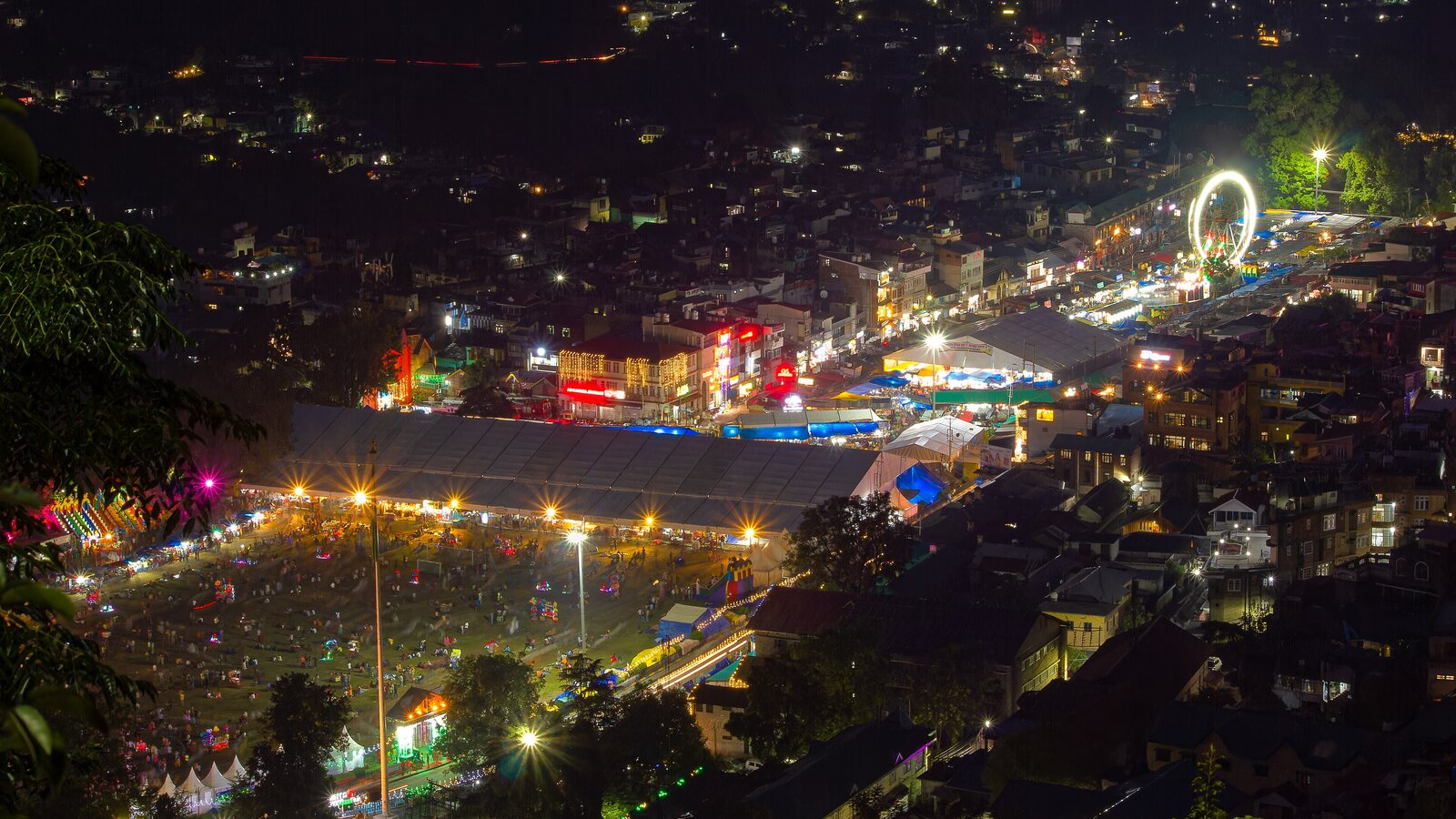
Minjar Mela
Overview
Minjar Mela, also known as the Minjar Fair, is an annual harvest festival held in the town of Chamba in northwestern Himachal Pradesh. Recognised by the state government as an international fair, it is one of the oldest and most culturally significant festivals in the region, with roots tracing back over a thousand years. The fair typically takes place in July or August — on the second Sunday of the Hindu month of Shravana — and lasts for about a week. It is closely associated with the maize harvest and involves rituals intended to ensure agricultural prosperity and community well-being.
The festival takes its name from the minjar, a silk tassel — often golden in colour — that symbolises the inflorescence (blossoms) of the maize plant and, by extension, the shoots of paddy and maize that make their appearance around this time of year. The fair is announced by the distribution of the minjar, which is worn on traditional attire by men and women alike. This tassel is both a symbol of the harvest and a personal token of participation in the community’s shared ritual life.
Held on the historic Chaugan — the vast green maidan at the heart of Chamba — and centred on the Ravi River (known locally as the Iravati), the Minjar Mela blends religious ceremony, royal tradition, folk performance, and public celebration into a single, multi-day event. It is a living bridge between Chamba’s royal past and its agricultural present, drawing both local communities and visitors from across the state and beyond.
History and Origins
Origins in the 10th Century
The Minjar Mela traces its origins to the 10th century and the reign of Raja Sahil Varman (also rendered Sahil Verman), who ruled the Chamba kingdom from approximately 920 CE. Raja Sahil Varman is credited with founding the town of Chamba itself — he shifted the capital of the kingdom to this site and named it after his daughter, Champavati. The temples he commissioned, including the Laxmi Narayan Temple complex and the Hari Rai Temple, remain architectural and spiritual landmarks of the town.
The fair’s origins are intertwined with legend. According to the most widely told story, the Ravi River once flowed between the Champavati Temple and the Hari Rai Temple, making it difficult for people to visit both temples in a single pilgrimage. Raja Sahil Varman, through his spiritual power and the intercession of a sage, is said to have caused the river to change course — or, in some versions, to have had a bridge or causeway constructed across it — so that the two temples could be connected. A great fair was held to celebrate this event, and the people of Chamba offered minjar tassels — symbolising the maize and paddy shoots of the season — in thanksgiving. The tradition continued annually and evolved into the Minjar Mela.
A Commemoration of Royal and Agricultural Heritage
The fair also commemorates the broader cultural and royal heritage of the Varman dynasty. Raja Sahil Varman’s reign is remembered as a period of prosperity, temple-building, and artistic flourishing in the Chamba valley. The Minjar Mela, while rooted in an agricultural celebration, became a marker of civic identity — an annual affirmation of the community’s relationship with its river, its temples, and its rulers. Over the centuries, as Chamba passed through successive dynasties and eventually into the post-Independence state of Himachal Pradesh, the fair endured, adapting in form while preserving its core rituals.
The state government’s designation of Minjar Mela as an international fair reflects its significance not only as a local religious event but as a cultural attraction of regional and national importance. The fair draws visitors from across Himachal Pradesh, from other parts of India, and from abroad, particularly members of the Himachali and Chamba diaspora who return for the occasion.
Key Features and Rituals
The Distribution of the Minjar
The fair is formally announced through the distribution of the minjar — a silk tassel, typically of golden or reddish hue, that is worn pinned to one’s clothing. Men and women alike wear the minjar as a visible sign of their participation in the festival. The tassel symbolises the young shoots of maize and paddy that emerge during this period of the agricultural cycle, and wearing it is both an act of personal devotion and a gesture of communal solidarity. The distribution itself marks the beginning of the week-long festivities.
The Hoisting of the Minjar Flag at Chaugan
The festival begins in earnest when the Minjar flag is hoisted at the historic Chaugan — the expansive green maidan that forms the civic and ceremonial heart of Chamba. The Chaugan, originally laid out as a polo ground during the colonial era but serving for centuries as the town’s principal gathering space, becomes the epicentre of the fair. Cultural programmes, folk performances, sporting events, and trade stalls fill the maidan over the following days. The town of Chamba takes on a colourful appearance, with residents dressing in their finest traditional attire.
The Procession and the Deities
A central ritual of the Minjar Mela is the grand procession through the town. The idol of Raghuvira (Raghuvir Varman), the presiding deity of the fair, is carried in a palanquin through the streets of Chamba, accompanied by the idols of other local gods and goddesses in their respective palanquins. This procession is a public expression of the valley’s devta tradition — similar in spirit to the gathering of deities at Kullu Dussehra but with its own distinct character and protocols. The procession is accompanied by traditional music, drumming, and the participation of large numbers of devotees.
The Immersion Ceremony at the Ravi River
The climactic ritual of the Minjar Mela is the immersion ceremony held on the banks of the Ravi River at the end of the seven-day fair. The idol of Raghuvira is taken in a grand procession to the river, escorted by other deities in their palanquins. At the site of immersion, the chief guest — historically the Raja of Chamba, and now a designated dignitary — performs the ceremonial offering: a coconut, a rupee coin, a seasonal fruit, and a minjar, all tied in a red piece of cloth called a lohan, are offered to the river. Following this, all the assembled people cast their own minjar tassels into the Ravi as an offering, symbolising the surrender of the season’s hopes and gratitude to the river that sustains the valley.
This immersion ceremony is the spiritual high point of the festival. It ties the community’s fate to the river, acknowledges the agricultural cycle, and enacts a collective act of thanksgiving. The choice of the Ravi (Iravati) as the site of this ritual connects the present-day celebration directly to the legends of Raja Sahil Varman and the river’s role in Chamba’s founding mythology.
Cultural Programmes and the Fair
Surrounding the religious rituals is a rich programme of cultural events. The Chaugan hosts folk music and dance performances, with artistes from Chamba and other parts of Himachal Pradesh presenting traditional forms. A trade fair — with handicrafts, handloom products, agricultural produce, and food stalls — runs alongside the performances. Sporting events, including traditional games and competitions, are organised. The state government and local administration coordinate a cultural festival that has, in recent years, included performances by artistes from other Indian states and even international participants, in keeping with the fair’s international status.
Cultural Significance
Minjar Mela holds a unique place in the cultural life of Chamba and the broader Himachali identity. It is a celebration of the agricultural cycle — the emergence of maize and paddy shoots that the minjar tassel represents — and a prayer for a bountiful harvest. For a community historically dependent on agriculture in a Himalayan valley, this seasonal ritual is both practical and sacred.
The fair also functions as a marker of civic identity. It commemorates the founding of Chamba by Raja Sahil Varman, the shifting of the river, and the building of the temples that define the town’s skyline. For the people of Chamba, and especially for the diaspora, the Minjar Mela is a homecoming festival — an occasion that connects them to their valley, their river, and their shared history.
The ritual of casting the minjar into the Ravi is a profoundly communal act. It is a moment when distinctions of status and community are briefly set aside, and the entire town, together with its visitors, participates in a single gesture of offering. This collective dimension — the gathering of deities, the public procession, the shared wearing of the tassel, and the final immersion — is what makes the Minjar Mela not just a festival but a reaffirmation of community.
FAQ
What does the word “Minjar” mean?
“Minjar” refers to the silk tassel — typically golden or reddish in colour — that is worn during the festival. The tassel symbolises the inflorescence (flowering shoots) of the maize plant and, more broadly, the young shoots of maize and paddy that appear in the agricultural cycle around the time of the fair. Wearing the minjar is a token of participation in the festival and a prayer for a good harvest.
When is the Minjar Mela held?
The Minjar Mela is held on the second Sunday of the Shravana month in the Hindu calendar, which typically falls in late July or early August. For example, in 2026 it is scheduled to run from 26 July to 2 August. The fair lasts approximately one week, culminating in the immersion ceremony at the Ravi River.
What is the legend behind the Minjar Mela?
According to the most widely recounted legend, the Ravi River once flowed between the Champavati Temple and the Hari Rai Temple in Chamba, making it difficult to visit both. Raja Sahil Varman, the 10th-century founder of Chamba, is said to have caused the river to change course — or had a structure built across it — so that both temples could be accessed. A great fair was held to celebrate this event, and the people offered minjar tassels in thanksgiving. This tradition evolved into the annual Minjar Mela.
What happens at the immersion ceremony?
At the end of the seven-day fair, the idol of Raghuvira is taken in a grand procession to the banks of the Ravi River, accompanied by other local deities in their palanquins. The chief guest — historically the Raja of Chamba — performs the ceremonial offering of a coconut, a coin, a seasonal fruit, and a minjar, all wrapped in a red cloth called a lohan, to the river. After this, all the participants cast their own minjar tassels into the river as an offering. This ritual symbolises the community’s gratitude to the river and its prayers for a good harvest.
Is the Minjar Mela open to visitors?
Yes, the Minjar Mela is a public event and is recognised as an international fair by the Himachal Pradesh government. Visitors are welcome to attend the cultural programmes, trade fair, and processions on the Chaugan. The town of Chamba is easily accessible by road, and the fair period is one of the best times to experience the cultural heritage of the region. For further reading, consult the official Chamba district page on Minjar Mela and the Wikipedia article on Minjar Mela.