Planning a Roots Journey to Your Ancestral Village in Himachal Pradesh
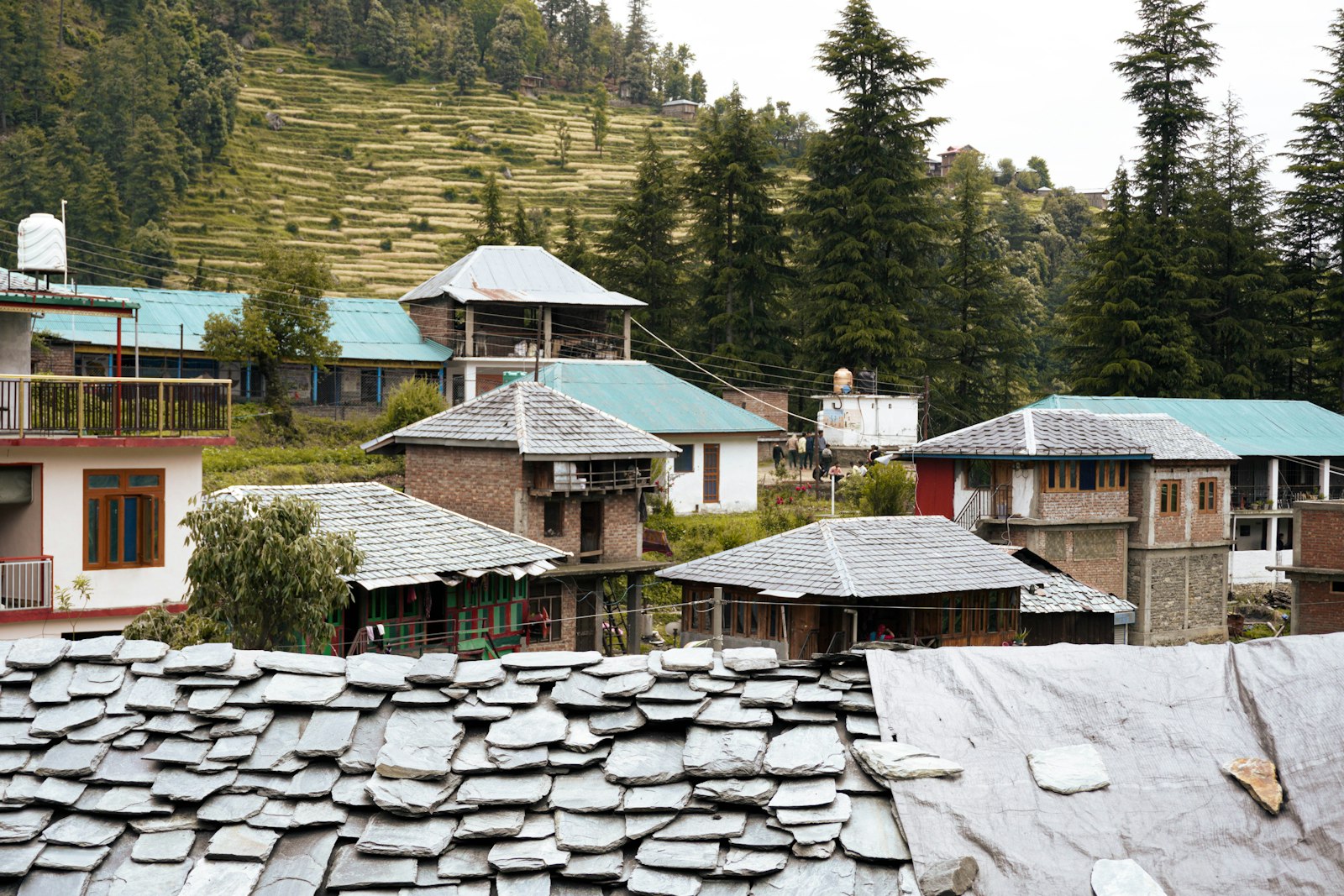
Planning a Roots Journey to Your Ancestral Village in Himachal Pradesh
A roots journey can begin with a place-name spoken at family gatherings, an address on an old envelope, or a story about a house above a river. Reaching that place may be deeply meaningful—but arrival is not the same as proof. A village may have several families with similar names; boundaries and administrative labels may have changed; memories may conflict; and the people you meet may know nothing about your branch of the family.
Plan the trip as a respectful return and an opportunity to build relationships, not as an investigation that must confirm every inherited story. The strongest journey combines preparation, consent, mountain-safety planning, careful documentation, realistic expectations, and follow-up after you leave.
Key Takeaways
- Define what you hope to learn, then turn hopes into answerable questions. “Find my roots” is too broad; questions about a spelling, migration date, household, temple, school, parcel description, or nearby landmark can be checked more carefully.
- Identify the place before planning the route. Preserve names in the spellings and scripts actually evidenced in family material, and distinguish the village from its post office, panchayat, tehsil, district, and nearest roadhead. Do not rely on a map pin or family name alone.
- Ask before you arrive and at every stage of documentation. Seek consent before visiting a home, entering a religious space, photographing or recording anyone, or copying a letter, register, photograph, or other document. A warm introduction does not create blanket permission.
- Treat access as a live safety question. Himachal has no universal safe season or universally reliable village road. Allow buffer days and recheck official weather, road, district, permit, and emergency guidance immediately before travel and while en route.
- Separate clues from conclusions. Oral histories, photographs, census references, and land records can help build a timeline, but one item rarely proves ancestry. Revenue entries do not by themselves establish lineage, ownership, inheritance, or a right of access.
- Plan for reciprocity. Return copies when promised, explain how material will be used, keep private information private, and maintain contact only at the level residents welcome.
Define Your Hopes and Questions
Begin with a one-page research brief. Write what your family believes, who told each story, and which parts are uncertain. Then list a small number of questions for the trip: What was the older spelling of the place? Which route did relatives use when they migrated? Does a named school, shrine, stream, orchard, or neighbouring settlement still exist? Is a household nickname remembered locally?
Bring a simple family tree that clearly distinguishes documented relationships from family recollection. Add dates, alternate names, occupations, languages, and places of residence. Historical passports and other historical travel documents may be useful family sources alongside letters, certificates, address books, photographs, diaries, and the backs of photographs. Keep current passports and other current identity documents out of informal research packets and family discussions. If an official process genuinely requires current identification, follow that authority’s instructions and provide only the minimum necessary information through its approved channel. For discussion copies of historical material, redact identity numbers, dates of birth, signatures, machine-readable zones, and other details that are not needed.
Decide in advance what would count as a useful outcome. It might be confirming the correct village, meeting a possible relation, recording a route description, or discovering that the story cannot yet be resolved. A respectful “we do not know” is more valuable than a confident but unsupported connection.
Identify the Correct Village
Names may appear in different scripts and spellings in family material. Record each name exactly as it appears in its source; do not replace variants with one preferred version too early. Where material uses Devanagari or Roman transliteration, retain that form. Identify another script only when the particular document or archive provides evidence for it, rather than assuming a statewide pattern. Ask relatives to say the name aloud and, with permission, record the pronunciation.
Build an administrative identity for the destination: present district, tehsil or sub-tehsil, gram panchayat, post office, and village. Add the nearest market, roadhead, river, pass, temple, school, or neighbouring settlement. The Census of India’s 2011 District Census Handbooks can help compare names and administrative references as they were recorded for that census. They are historical administrative snapshots, not current village registers, and should not be used to imply that present boundaries or administrative relationships are unchanged. Check current district or panchayat information separately.
Test competing possibilities before booking. Two villages may share a similar name, and a postal address may name a larger settlement rather than the ancestral hamlet. Send a map screenshot and written identifiers to a trusted local contact, accommodation host, driver, or relevant local office, asking them only to confirm the location and practical route—not to certify your genealogy.
Make Contact and Seek Consent Before Arrival
Whenever possible, arrange an introduction through a relative, mutual acquaintance, local host, or community contact. Explain who you are, what family information led you there, how many people are travelling, and what you hope to ask. Offer a date range rather than announcing an arrival. Ask whether a visit would be welcome and whether there is a more appropriate person or time.
Keep the request modest. Residents have work, caregiving, agricultural duties, ceremonies, and privacy concerns. They are not research resources obligated to answer questions, host visitors, settle disagreements, or validate a claim. There is also no guarantee that an official office, religious institution, or record custodian will provide genealogical help or access.
Consent is specific and can change. Ask before entering a home; before photographing, filming, or audio-recording; before copying any document; and before entering or documenting a religious space. Ask separately before publishing names, faces, house locations, or stories. Never assume that permission from one person covers a whole family or community.
Plan for Terrain, Weather, Roads, and Permits
A village that looks close on a map may require a long mountain drive, a walk from the roadhead, or a route vulnerable to weather and road work. Ask about the final approach, walking surface, stairs, mobile coverage, fuel availability, toilets, and a realistic turnaround point. If anyone has limited mobility, heart or respiratory concerns, or difficulty at altitude, design the trip around their needs rather than expecting the village to be accessible.
There is no single “safe season” for all of Himachal Pradesh and no road condition that can be assumed from last year’s experience. Consult the India Meteorological Department’s Meteorological Centre Shimla for current forecasts and warnings, together with current state, district, police, transport, or road-authority notices relevant to the exact route. Recheck immediately before departure and during the journey. Keep buffer days, avoid a tight same-day return, and be ready to turn back.
The National Disaster Management Authority’s landslide guidance and Himachal Pradesh State Disaster Management Authority’s incident reports explain hazards and preparedness. Historical disaster reports show why route planning matters; they do not predict that a particular road is safe or unsafe today. Follow closures, checkpoints, evacuation instructions, and local official advice. Do not bypass a barrier, attempt a closed road, or pressure a driver to continue.
Foreign visitors should check whether their exact itinerary enters a specified protected area. Tourism information may use “Inner-Line,” “Inner Line Permit,” or “ILP,” but the official legal regime relevant here is the Protected Area Permit (PAP) for specified protected areas. The Ministry of Home Affairs provides the central PAP/RAP reference, while District Kinnaur’s Tourist Guidelines describe local tourism usage and competent permit-issuing authorities. Do not infer coverage from a district name or an old itinerary. Before booking and again before travel, verify the precise route and current requirements with the Ministry of Home Affairs and the relevant district or other competent authority. Never attempt to avoid a checkpoint or permit requirement.
Arrive as a Guest, Not an Investigator
On arrival, let your contact set the pace. Introduce the family story as a possibility: “Our family remembers this name and place; we are trying to understand whether there is a connection.” Avoid statements that presume kinship, ownership, caste or clan affiliation, or rights over a house, orchard, shrine, or land.
Dress and behave appropriately for the setting, while remembering that customs vary among villages, families, and religious communities. Ask rather than generalise. Carry your own water, essential medicines, and food appropriate to your needs so that an unplanned visit does not become a hosting burden. A small, non-extravagant token may be suitable when your local contact advises it, but hospitality must never be treated as a transaction.
If property, inheritance, boundary, or family conflict surfaces, do not litigate it at the doorstep. Do not photograph addresses, gates, documents, or disputed land without explicit permission. Leave legal questions for appropriate professional and official channels.
Record Evidence Without Forcing Agreement
Use a notebook or prepared interview sheet to record who shared a detail, when, and whether it was direct memory, something heard from another person, or an inference. With permission, photograph documents alongside a note identifying the custodian and context. Capture full pages before close-ups, and preserve original spellings. Keep a log that connects each image or recording to its source.
Compare independent clues: names and aliases, approximate dates, marriages, occupations, migration destinations, neighbouring households, landmarks, and family objects. Contradictions are evidence too. Do not press people to reconcile different memories in the moment, and do not invite a public argument about which version is “true.”
The Government of Himachal Pradesh Department of Revenue homepage states that online copies of Records of Rights (RoR)—Jamabandi and Shajra Nasb—are available for digitized villages, except villages under settlement operations. That is a specific document-access service, not a genealogy or title-verification service. Any copy still requires legal and historical interpretation. A record may provide a name, location, parcel, or relationship in a particular administrative context, but it does not by itself prove biological lineage, present title, inheritance, continuous ownership, another legal right, or permission to enter or use property. Keep documentary research distinct from any ownership or access claim, and seek qualified advice for legal questions.
Protect sensitive material. Do not publish exact home addresses, phone numbers, identity documents, private family disputes, sacred or restricted knowledge, or information that could expose children, elders, or other vulnerable people. Never share an unredacted current identity document casually. Store scans securely, limit access, and use redacted copies containing only the minimum information needed for the permitted purpose.
Set Realistic Expectations—and Make Space for Emotion
You may find the right village but no recognisable house. A surname may be unfamiliar, a building may have been rebuilt, or records may be inaccessible, incomplete, restricted, or held elsewhere. Language differences and hearing, mobility, or memory limitations may shape the conversation. One visit cannot be expected to settle generations of family history.
Roots travel can also bring grief, belonging, embarrassment, joy, or disagreement within the travelling family. Discuss beforehand how you will respond if evidence challenges a cherished story. Give older relatives rest and privacy; do not turn an emotional moment into content. Build quiet time after meetings and avoid scheduling every day around research.
Accessibility requires candid planning. Confirm vehicle access and walking conditions; identify a comfortable waiting place for anyone who cannot complete the final approach; and consider whether a video call or exchange of photographs would be more respectful and safer than insisting everyone reach the same spot.
Practise Reciprocity After the Trip
Within a few days, send thanks through the channel your hosts prefer. Follow through on specific promises: return digital copies of photographs, transcribe a recording, label scanned documents, or send a family-tree update. Ask how names should be spelled and whether anything shared should remain off the record.
Before using material in an article, family website, archive, film, or social post, obtain permission for that use rather than relying on consent given for a private conversation. Remove precise locations and identifying details where disclosure could create risk. Future public use should follow recorded permissions and any later changes to them, subject to applicable legal or archival obligations; seek qualified advice if those obligations are unclear.
Keep a research ledger separating confirmed facts, probable connections, unresolved clues, and disproved assumptions. Share conclusions with relatives in language that reflects the strength of the evidence. Long-term trust is built by accuracy, restraint, and keeping promises—not by how much material you collect in one visit.
A Return, Not a Verdict
A well-planned roots journey does not demand that a village produce a definitive answer. It prepares carefully, travels cautiously, asks permission, distinguishes evidence from hope, and leaves room for residents to say no or “we do not know.” The journey succeeds when it deepens understanding without overriding privacy, safety, or local life.
Go ready to learn rather than claim. If a relationship begins, sustain it with patience and reciprocity. If the trail remains uncertain, document that honestly. In both cases, you will have treated the ancestral place not as a backdrop for a family story, but as a living community deserving care.
Frequently Asked Questions
What if I know the family name but not the exact ancestral village?
Begin with documents and relatives, recording every spelling, script, district, tehsil, panchayat, post office, nearby landmark, and migration date you can find. Compare those clues with official district and village references before contacting residents. A family name alone may not identify one place or one family line.
Can land or revenue records prove my ancestry or ownership?
No. Revenue records may help identify names, parcels, or administrative locations, but they do not by themselves prove a complete biological lineage, present ownership, inheritance rights, or permission to enter or use property. Treat legal or property questions separately and seek qualified advice where necessary.
Is there a best safe season for every ancestral village in Himachal Pradesh?
No universal safe season applies across Himachal Pradesh. Elevation, road exposure, snow, rain, landslide risk, local works, and transport access vary by route and can change quickly. Build buffer days into the itinerary and recheck official weather, road, and district guidance immediately before departure and during the journey.
Do foreign visitors need an Inner-Line or Inner Line Permit for a roots journey?
Not for every journey in Himachal Pradesh. Tourism information may use “Inner-Line” or “Inner Line Permit,” but the official legal regime relevant to foreign visitors in specified protected areas is the Protected Area Permit (PAP). Before booking, foreign visitors should check their exact itinerary and current requirements with the Ministry of Home Affairs and the relevant district or other competent authority.
What should I do if residents do not want to speak, be photographed, or share documents?
Accept the refusal without pressure or repeated requests. Villagers are not research resources and are not obliged to validate a family story. Thank them, protect any information already shared, and continue through other consensual documentary or family-history channels.